TALLYA
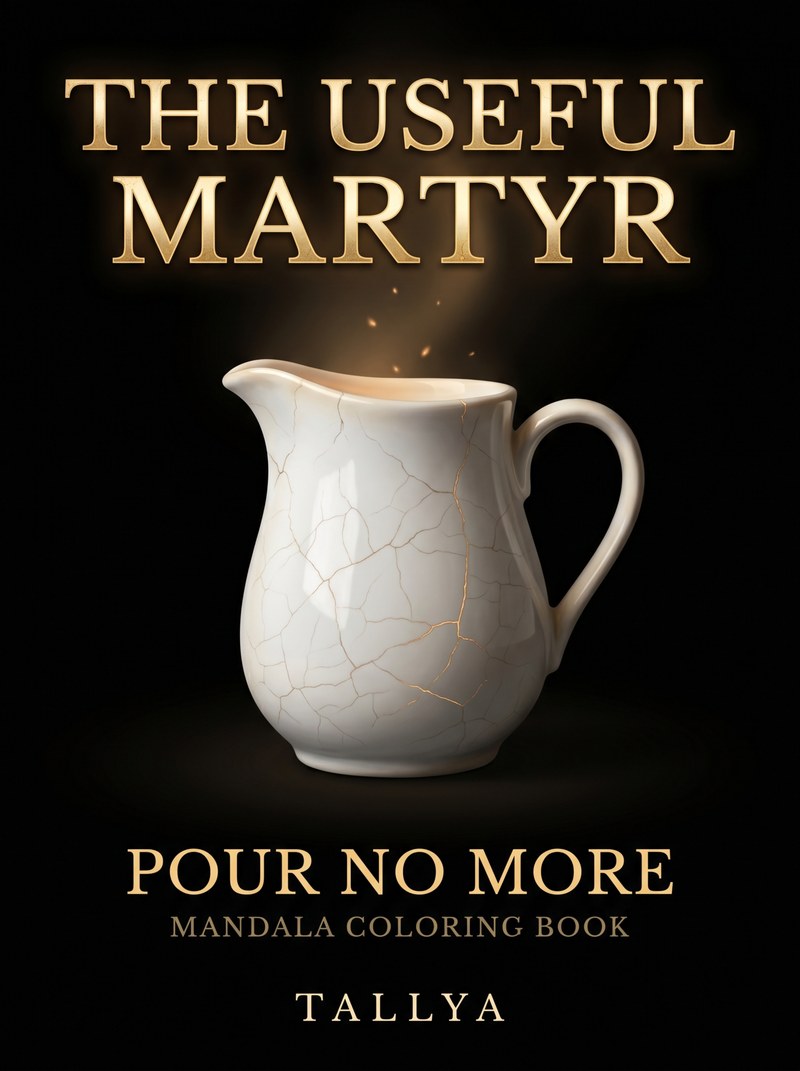
 The Useful Martyr
A Mandala Coloring Book for the Recovering People-Pleaser — 40 Story-Mandalas for the Over-Giver
You learned to be good by being needed. Somewhere in all that giving, you went quiet.
You became the dependable one. The eldest daughter, the easy friend, the colleague who never said no. You poured into everyone who asked — and called the emptiness kindness.
Each of the 40 pages names one face of the over-giver — a story-mandala drawn from a single moment you already know by heart. Not geometric symmetry. Not generic florals. A symbolic scene, named — given a page of its own, paired with a short contemplative text and one small ritual of setting something down. This is the “martyr complex” of everyday psychology — explored as recognition, never as a label. You can’t pour from an empty cup.
40 Story-Mandalas for the Over-Giver Who Forgot Herself
Four movements trace the turn from the bright, useful role back toward a self that no longer has to earn its place — the inner glow, the giving outward, the role you carry, and the quiet turn home. Each scene names one hour you were too bright to see yourself.
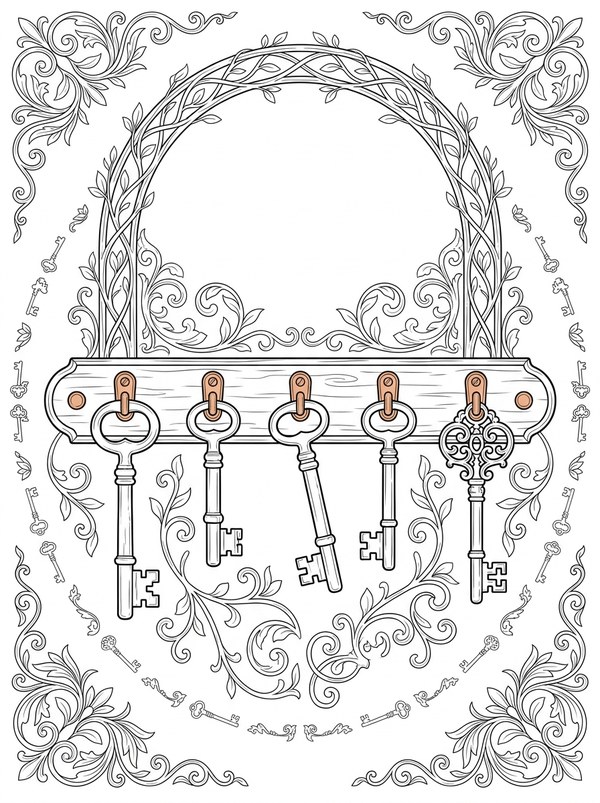
The keys on the peg-rail, taken down before the knock arrives.
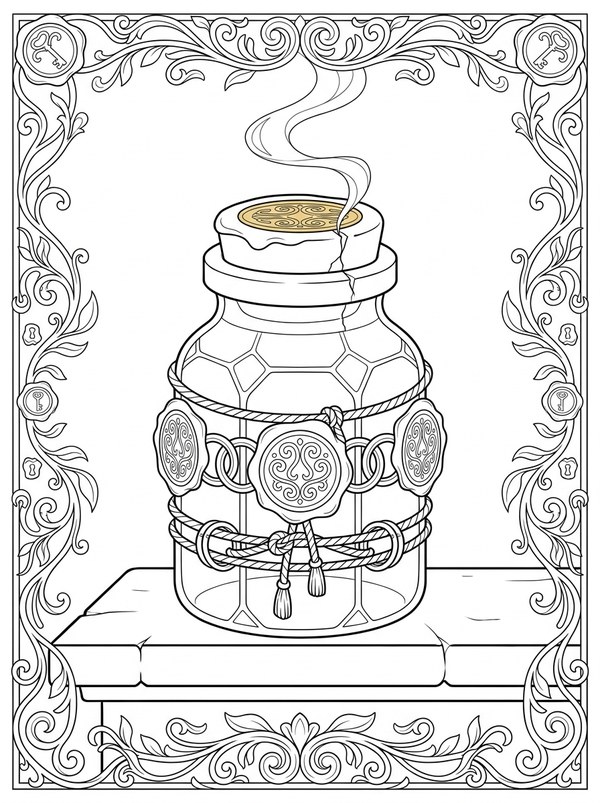
The vessel that does not pour, no matter what is poured in.
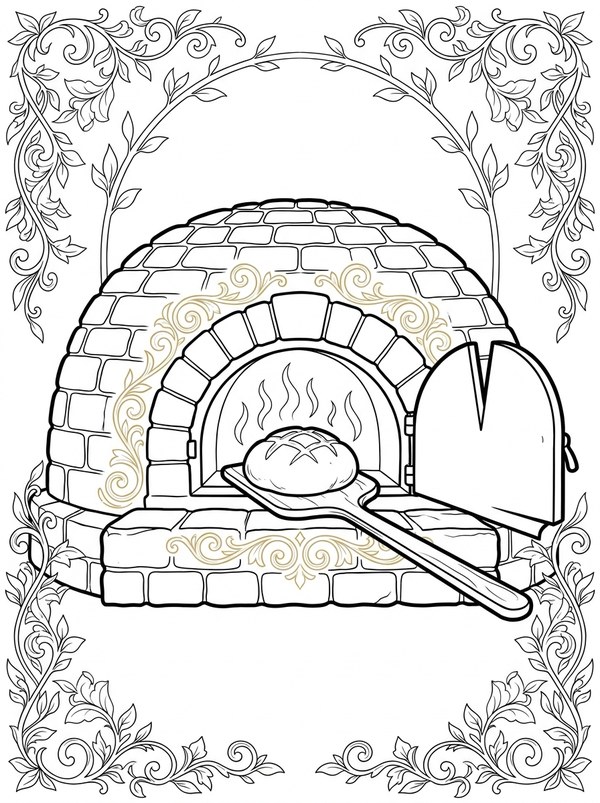
The bake-oven that warms the loaf before any hand asks for bread, every morning, regardless.
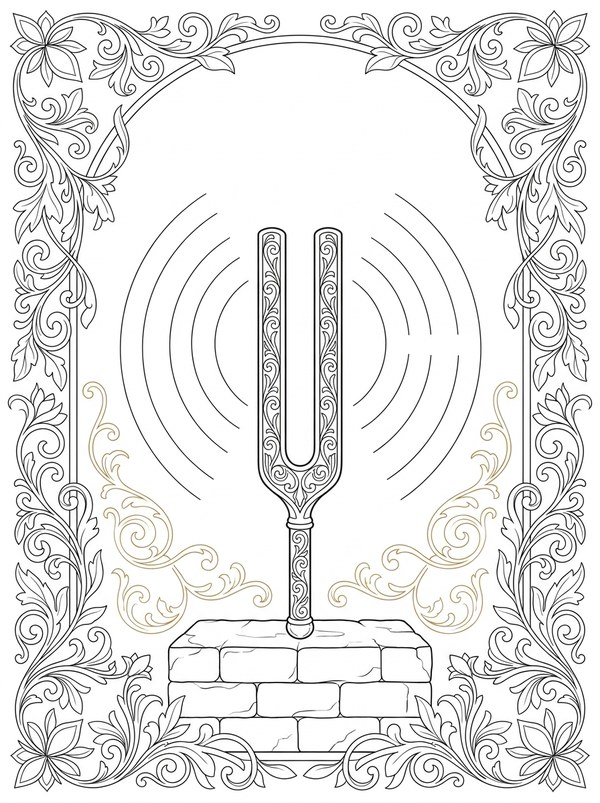
The tuning fork that vibrates beneath the day, sounding the inner check for any wrong note.
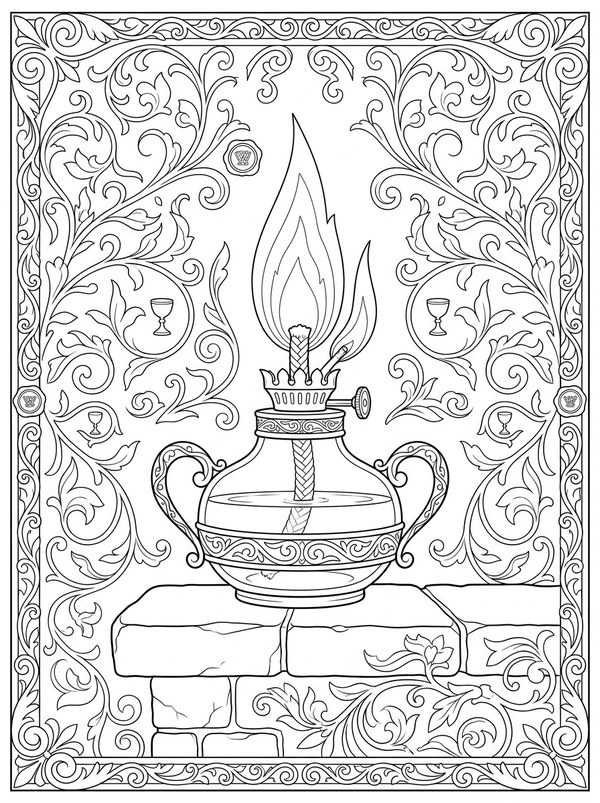
The flame held steady past the body's permission, day after day.
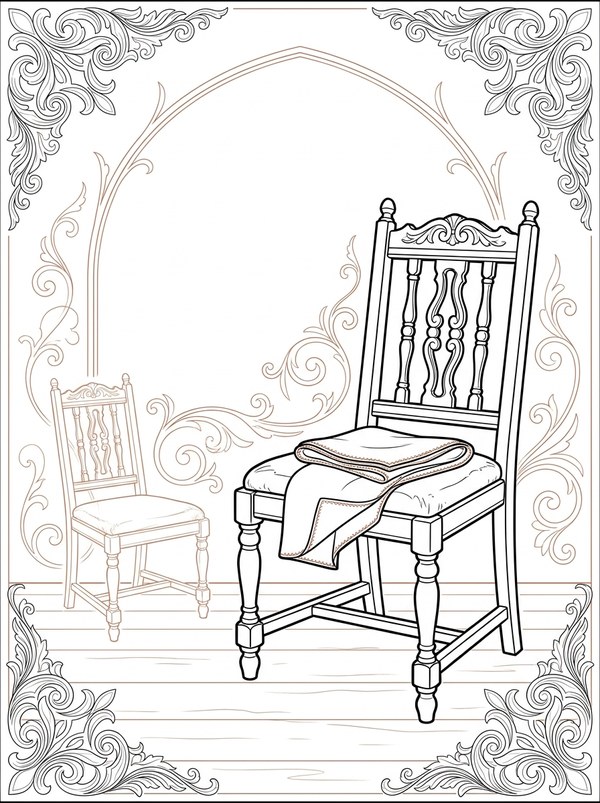
The listening seat with shawl folded ready, kept warm for hours that belonged to no one.
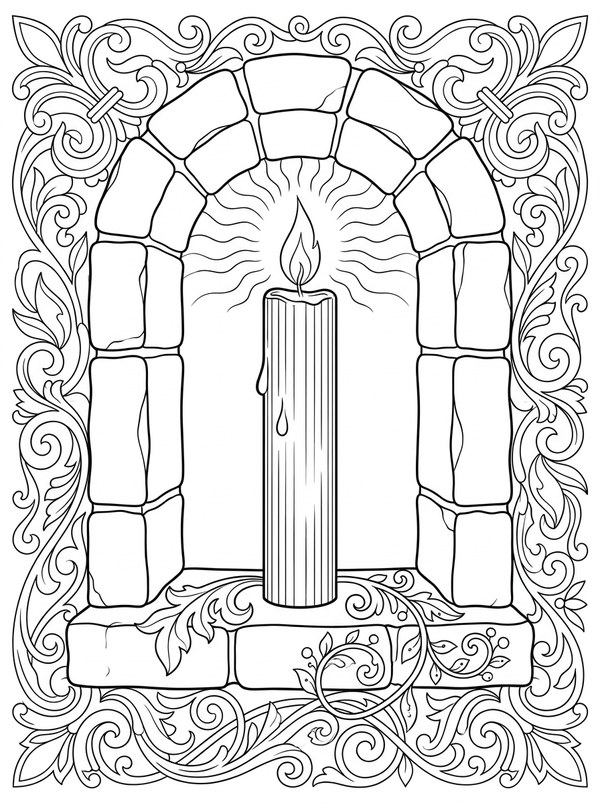
The candle in the window, lit through every hour the household sleeps.
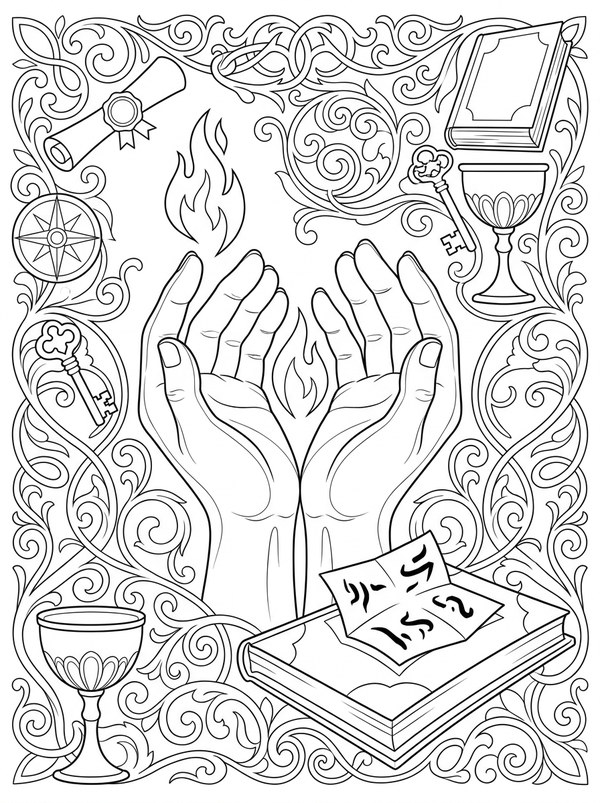
The cupped flame that softens the room before the words land.
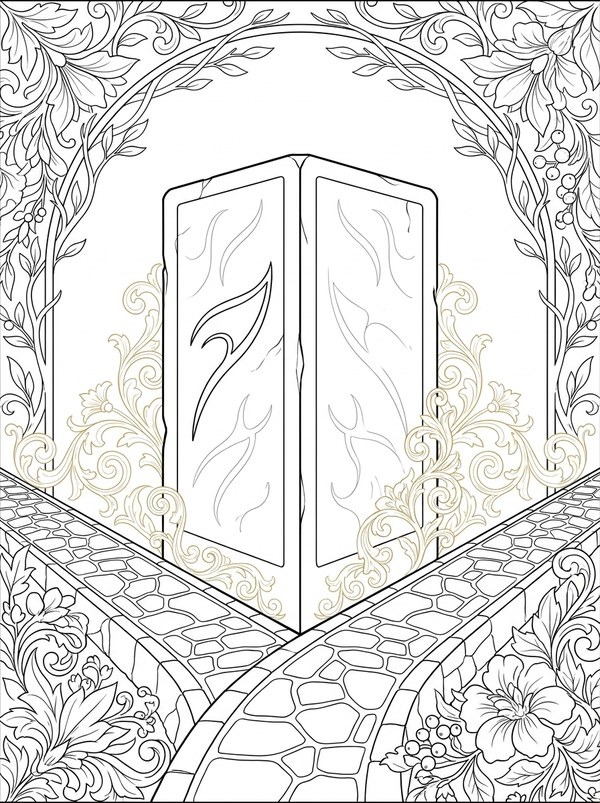
The forked waystone scored equally on both faces, even when one path was yours.
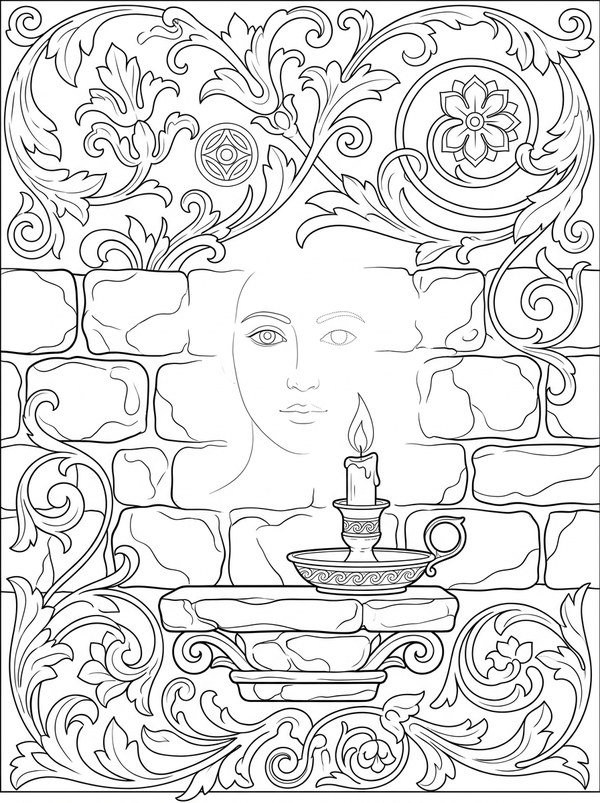
The candle lifted to the wall where their best self is painted, hour after hour.
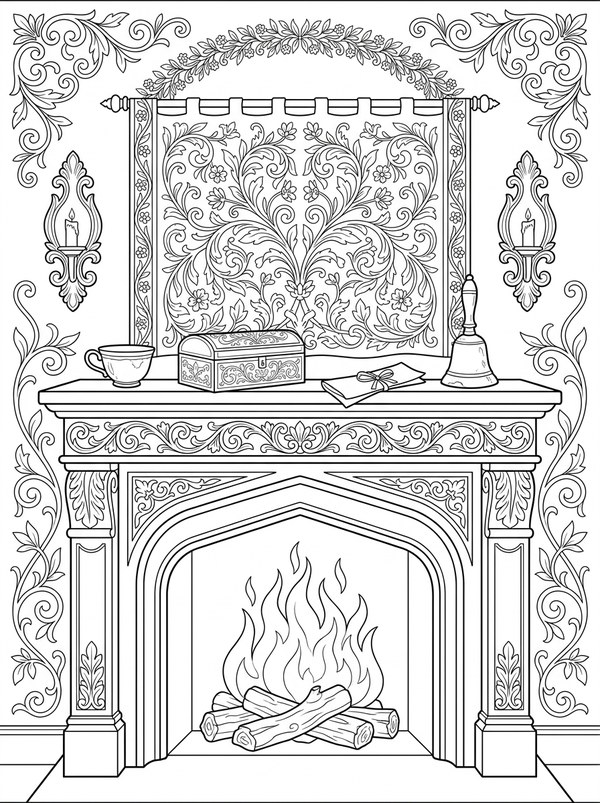
The hearth that has burned beneath the family's seasons, mantel laid with heirlooms kept upright.
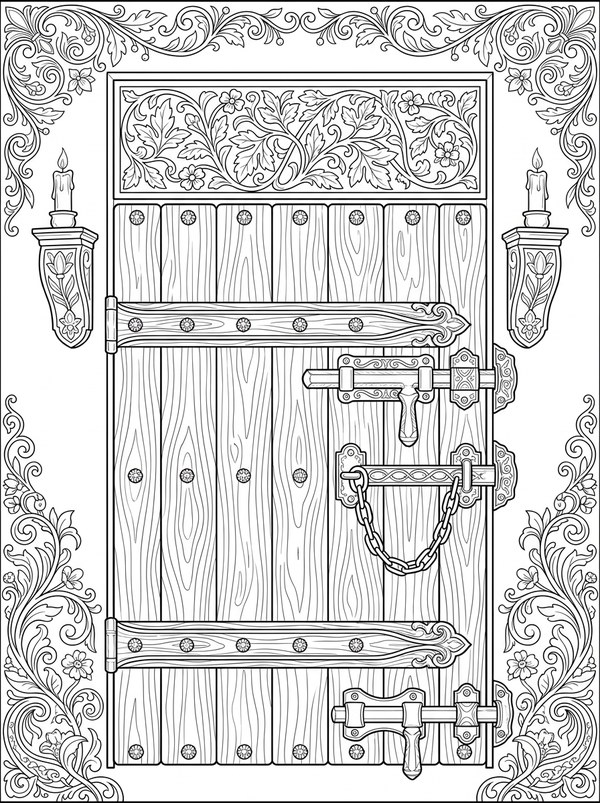
The interior bolt slid into engagement, for the first time, from the inside of your own door.
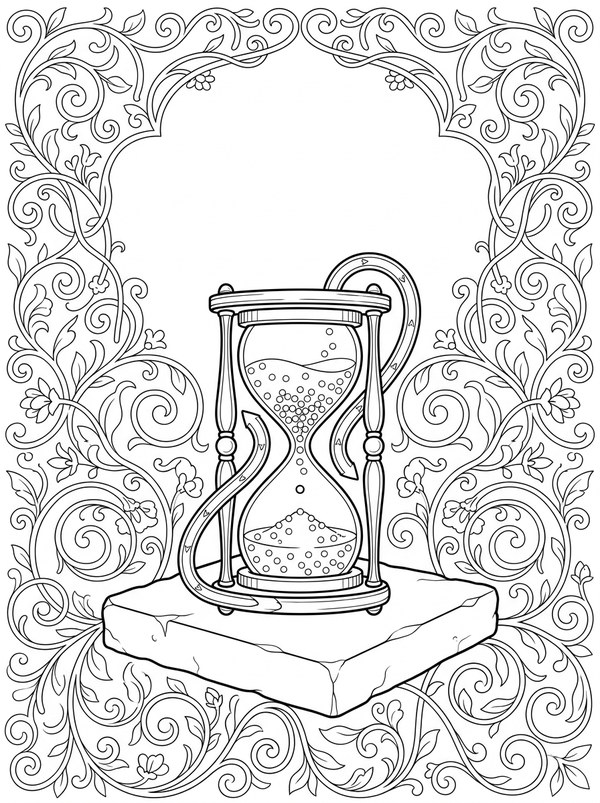
The hourglass whose sand returns to the upper bulb before the lower bulb runs dry.
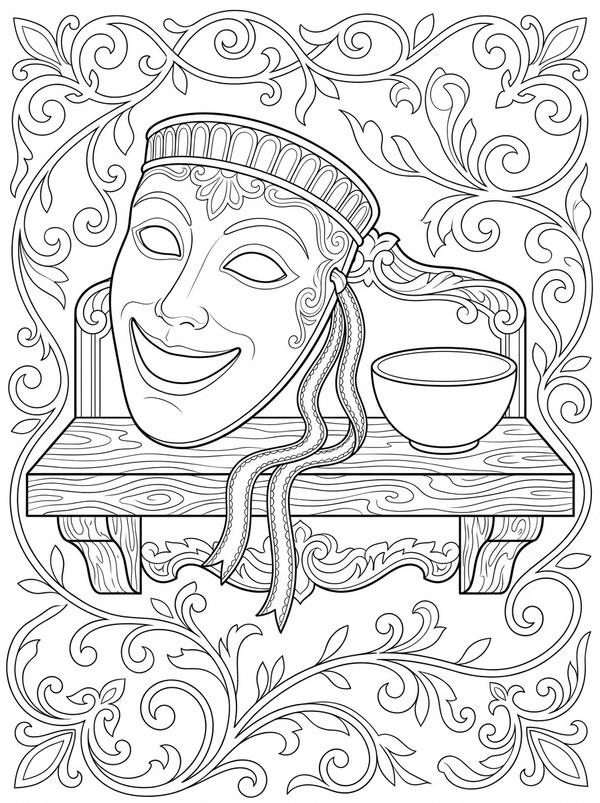
The mask that does not come off, even in private rooms.
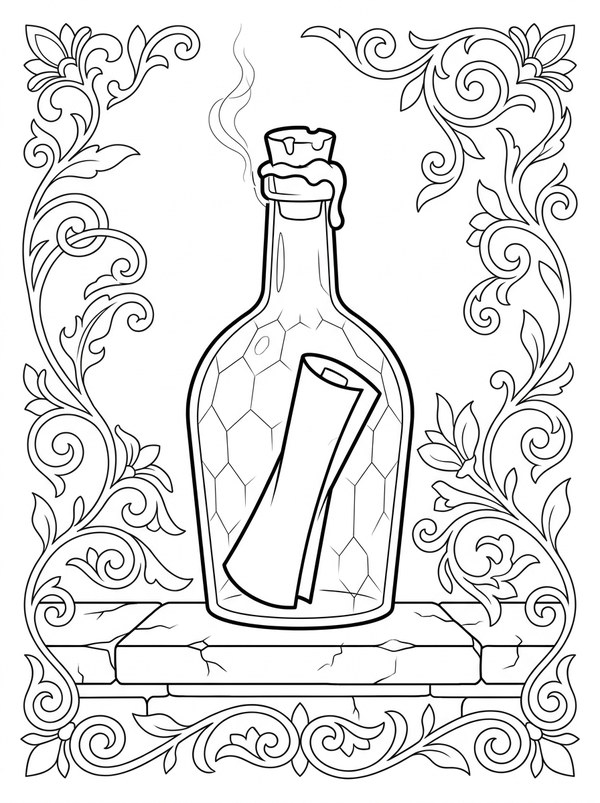
The corked bottle, the yes inside written before the question was asked.
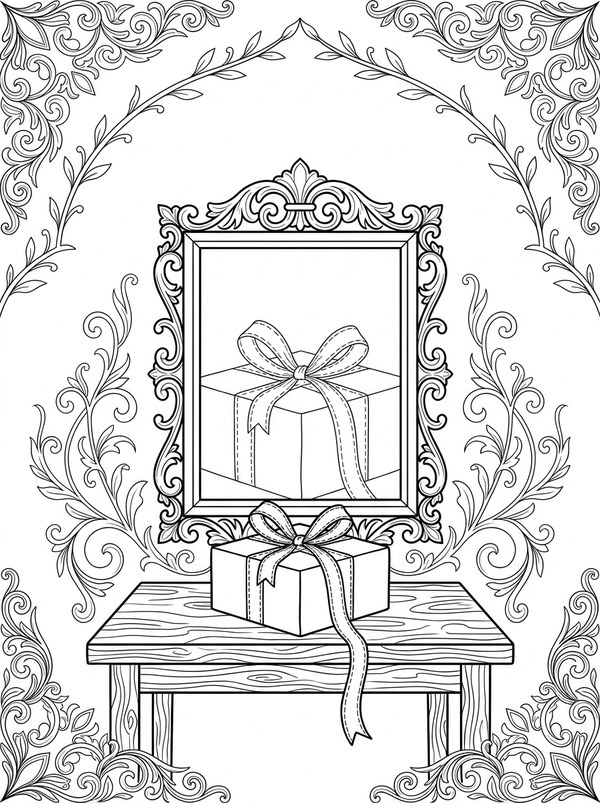
The wall-mirror that takes the gift in and reflects it back to the giver, magnified.
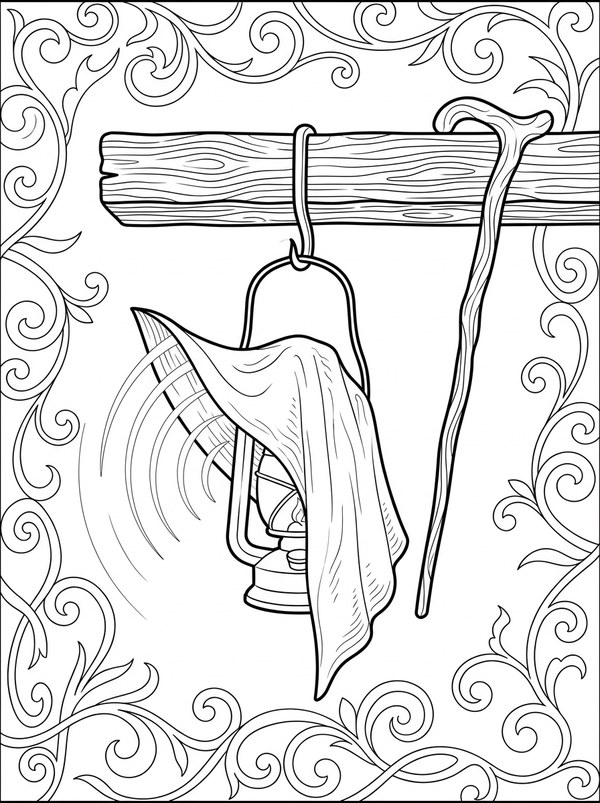
The covered lantern that carries its own weight so no one else has to know it weighs.

The open book whose left page holds the actual sentence and whose right page holds the kinder version.
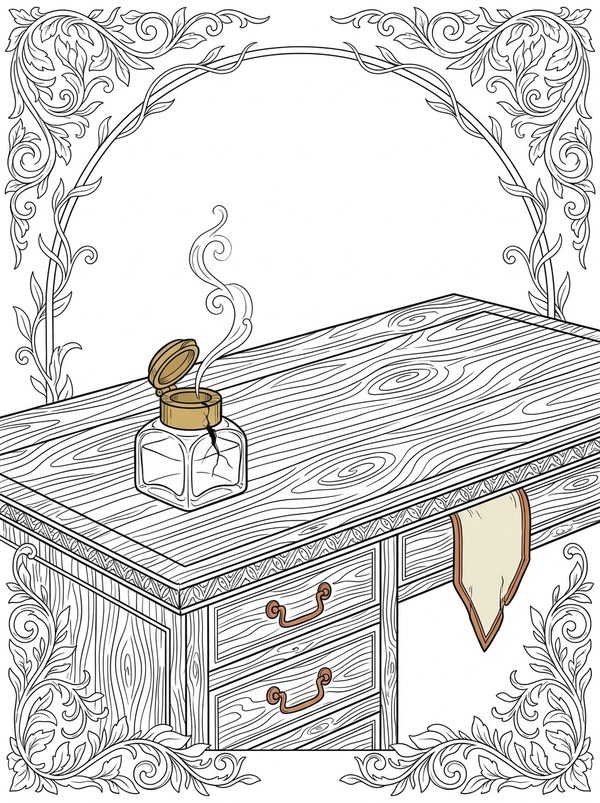
The small private pennant tucked behind the desk, held in trust for the words others could not say aloud.
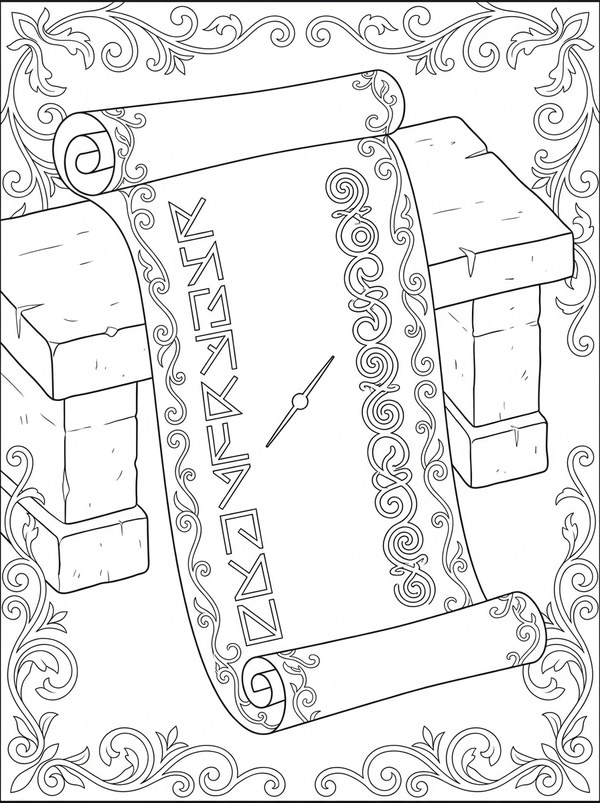
The white scroll carried into the room between two arguments, apologizing for both sides at once.
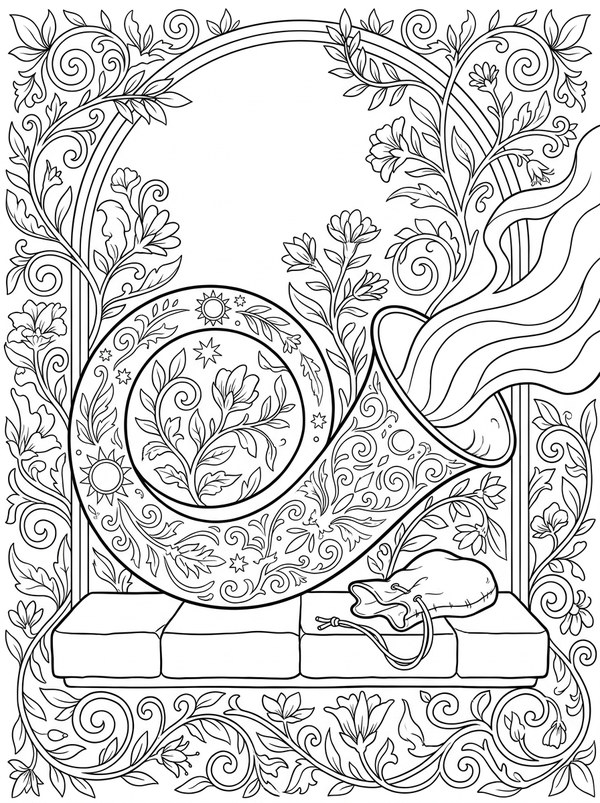
The brass horn lifted before every marching, its sound carrying the fatigue no one was meant to hear.
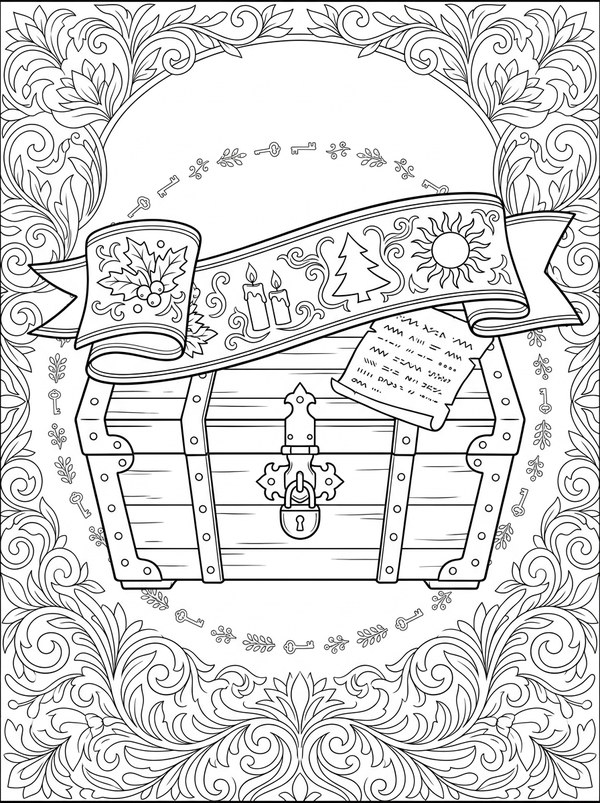
The seasonal banner raised, refolded, raised, refolded, year after year, by one set of hands.
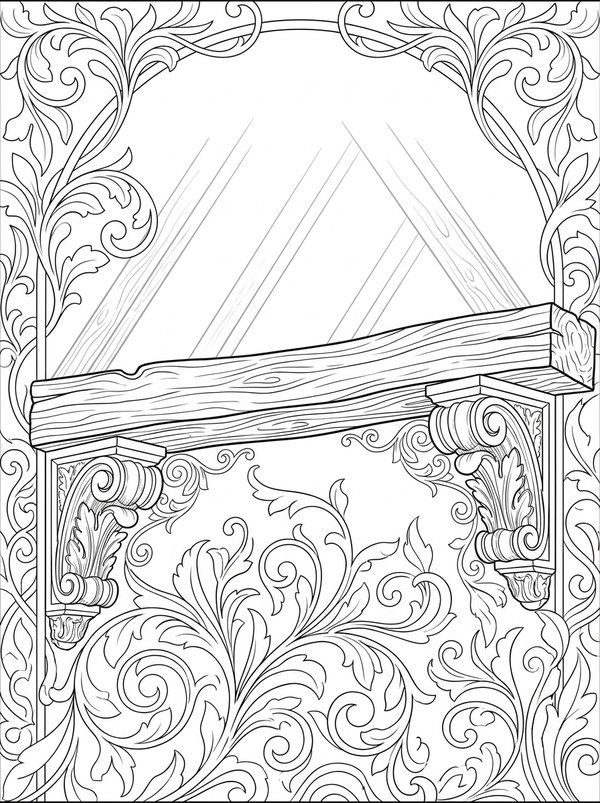
The horizontal oak king-post beam that holds the roof straight, even when no one notices the beam.
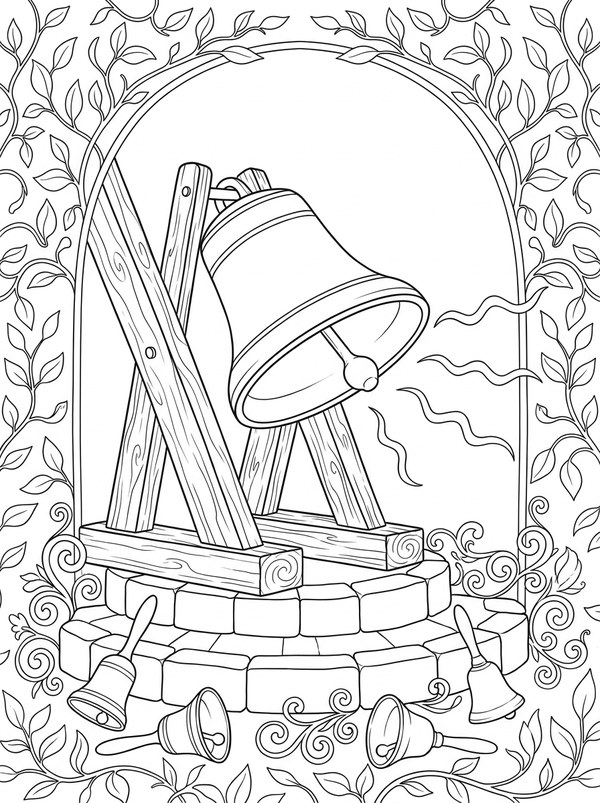
The emergency bell suspended in its frame, rung by hands that no one ever rang back for.
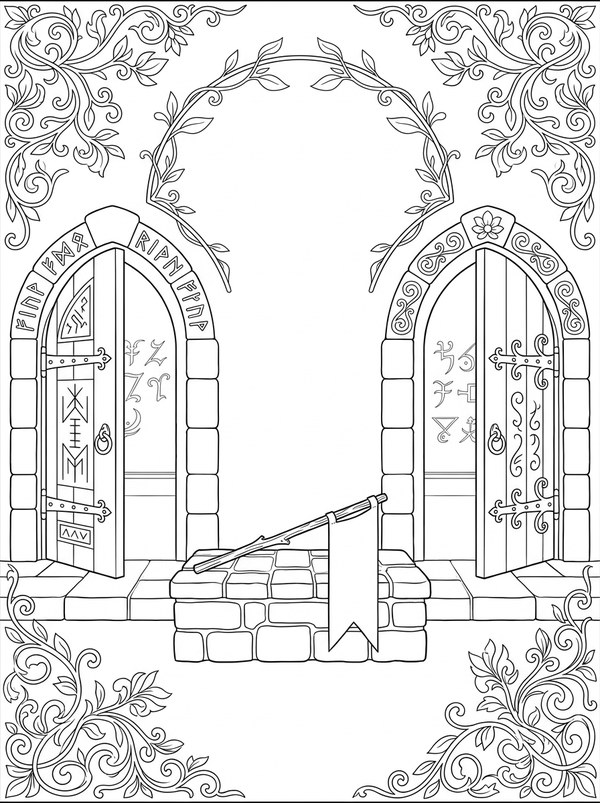
The neutral white pennant carried between courts, ensuring no court loses its honor — including yours, lost gracefully.
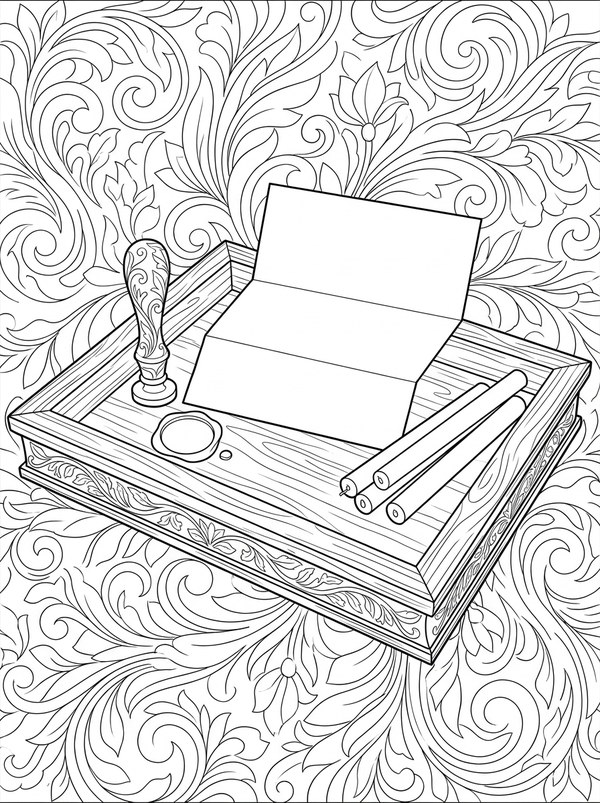
The folded letter on the low stone beside unused wax-sticks and an unstamped seal-disc, never struck.
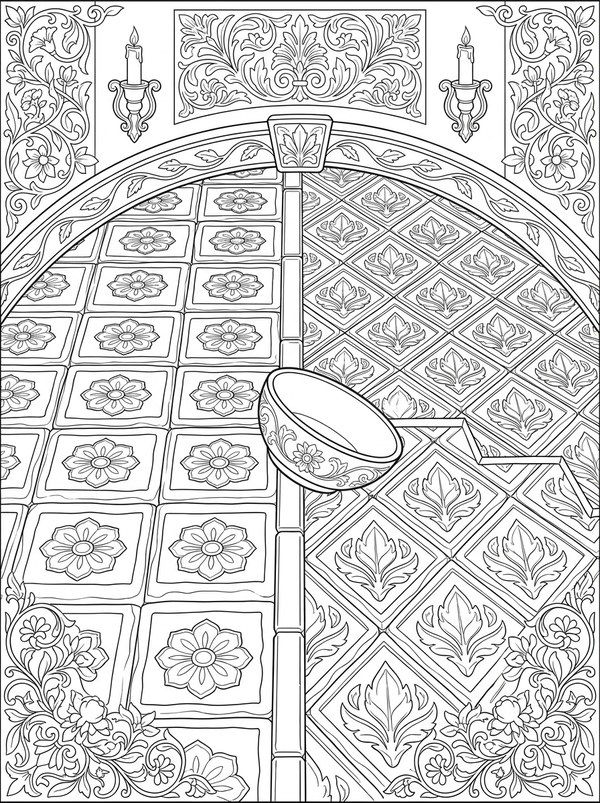
The arched threshold where two floors meet — garden stone outside, wooden plank inside, the body finally on the line.
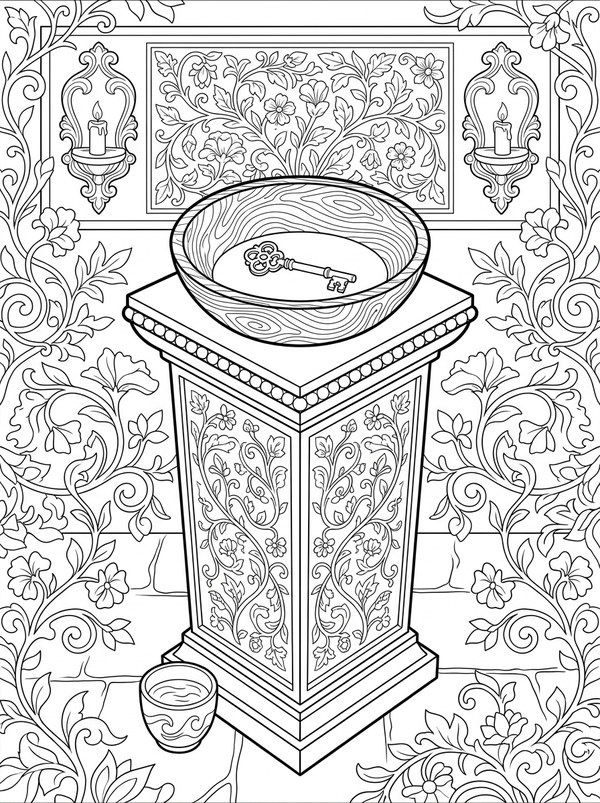
The small ornate key resting on the carved offering-pedestal, set at hand-height before being offered to any door.
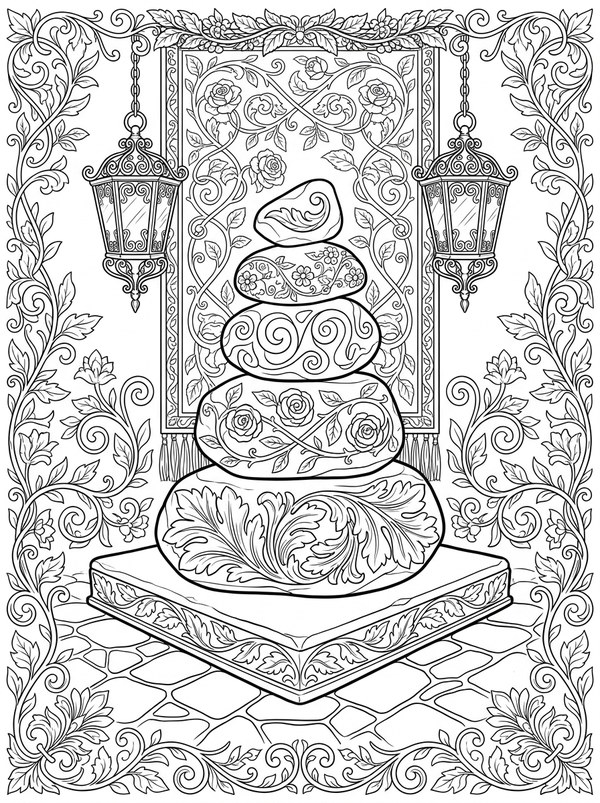
The cairn-tower of four stacked stones balanced on the threshold, marking the line you had carried for years.
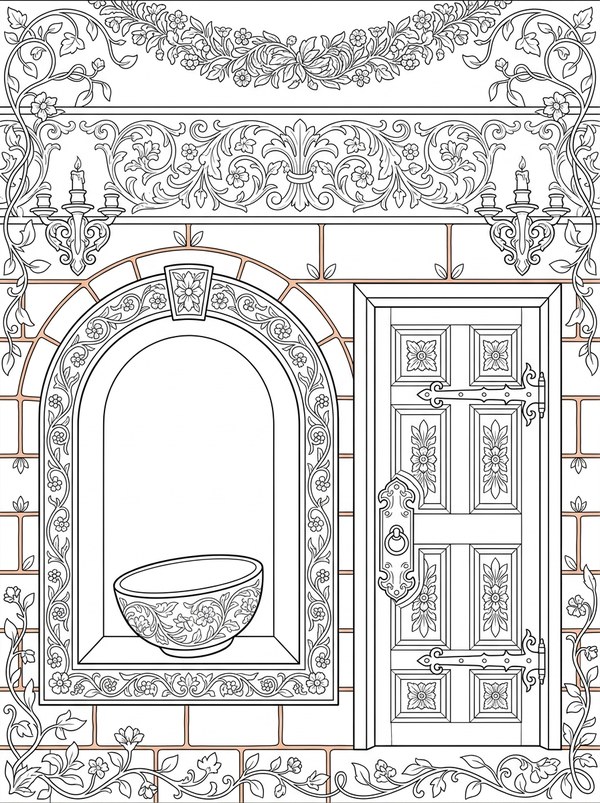
The wall-niche with the empty offering-cup beside the closed door, the visitor's absence resting in the cup.
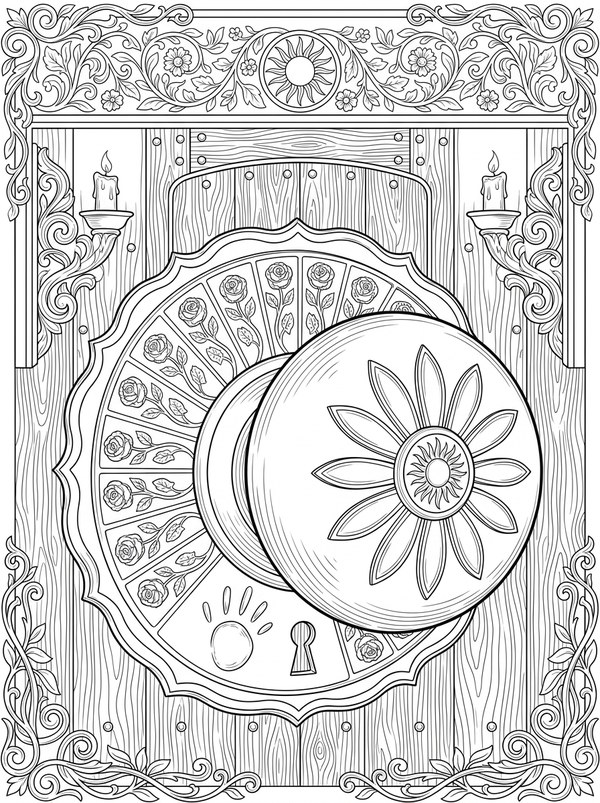
The brass doorknob turned from the inside, after years of carrying it in other people's grip.
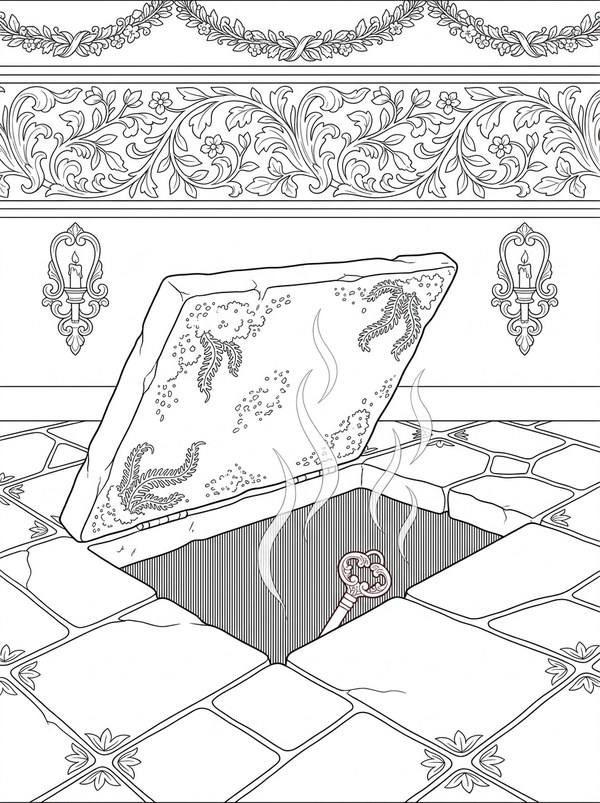
The flagstone tilted up at one edge, revealing the key warm beneath it after years of being weighted down.
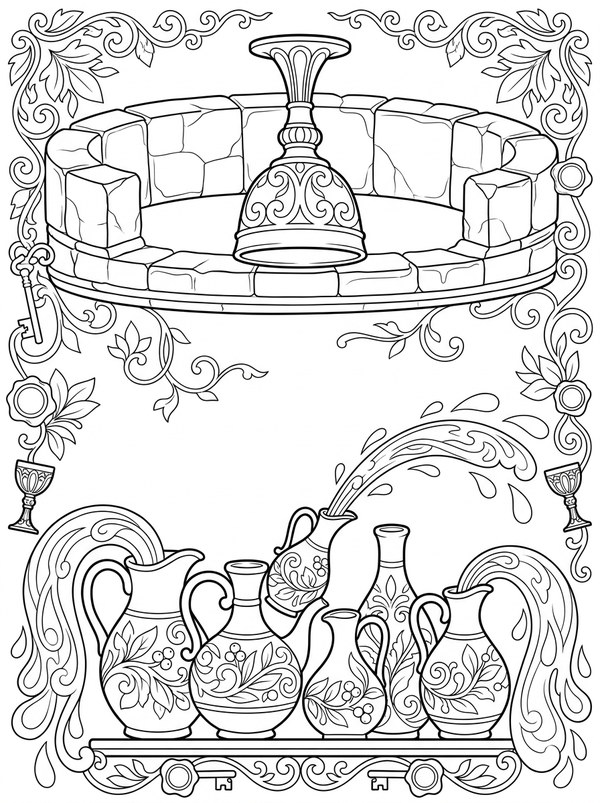
The chalice inverted on a high shelf, out of reach of its own owner.
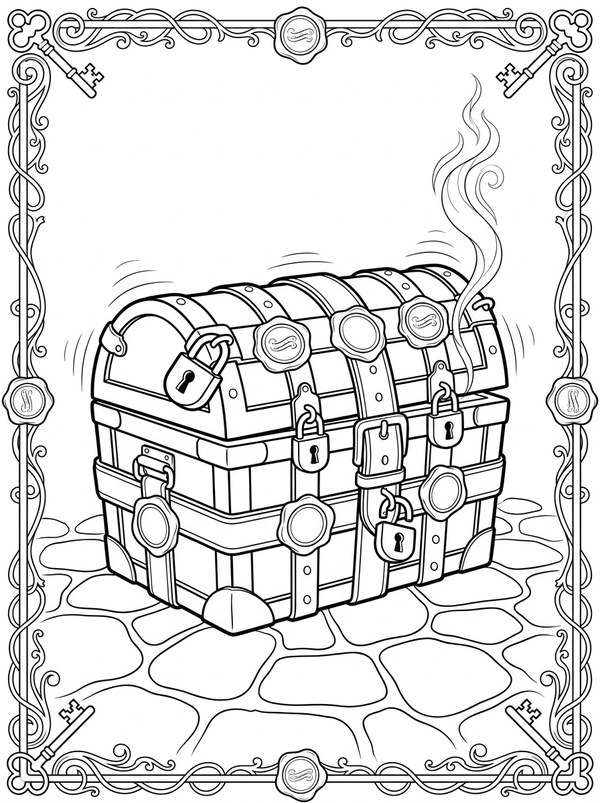
The iron-bound coffer, small, latched, sealed with bone-cream wax.
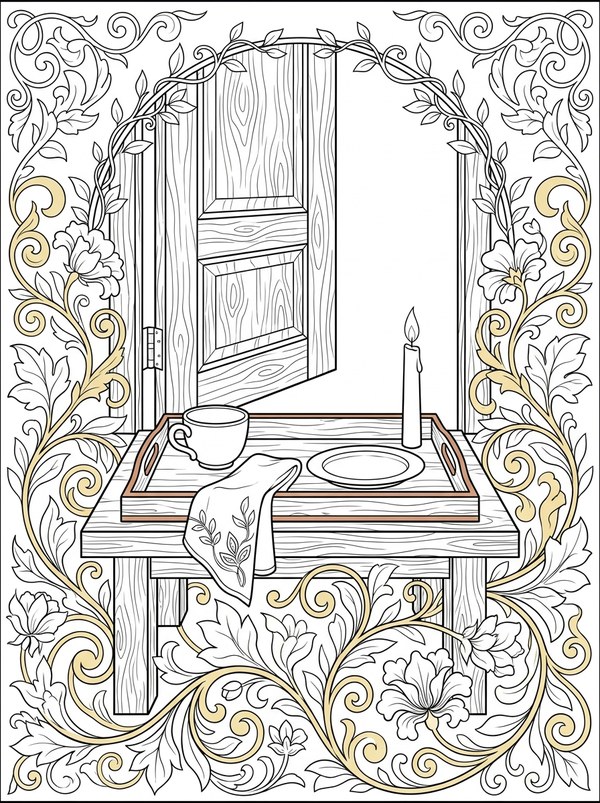
The welcoming-tray prepared and waiting in the doorway, set down before the knock has finished sounding.
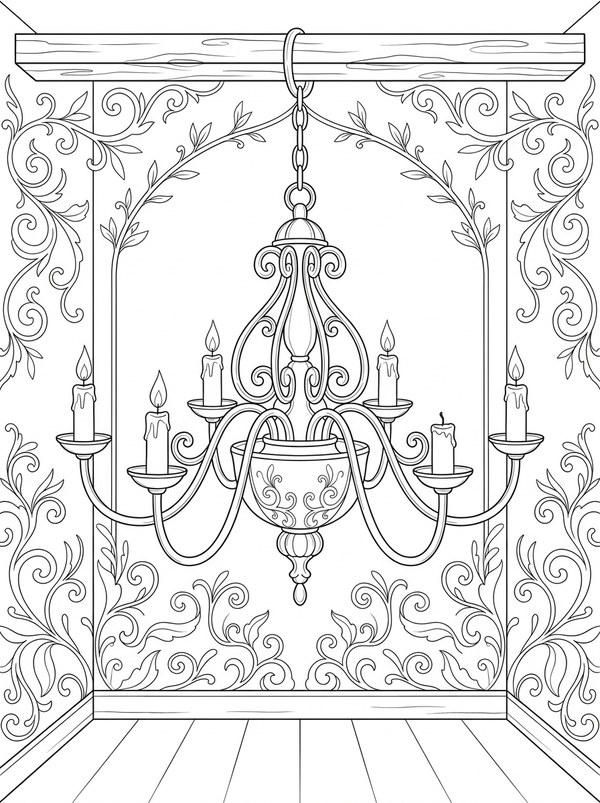
The chandelier that lights every corner so completely no shadow of another remains visible to themselves.
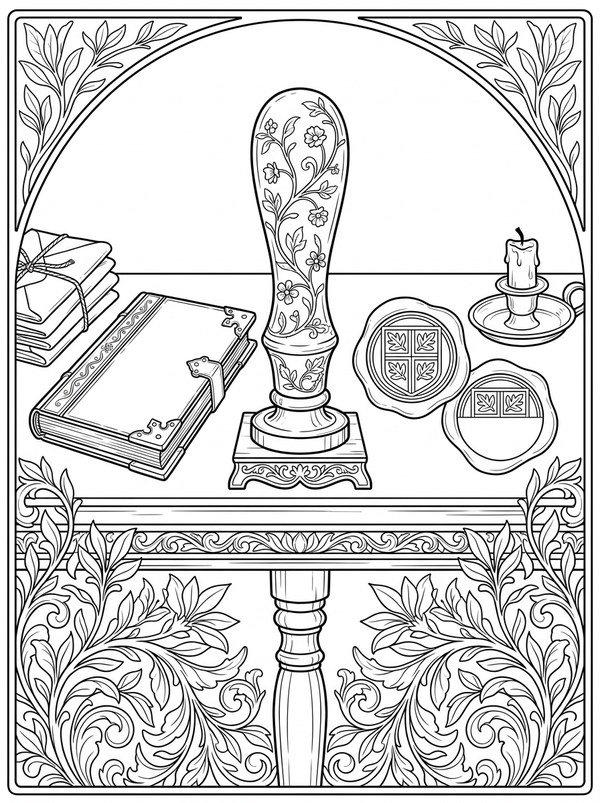
The household's ledger laid open on the lectern, kept by hands that have not been allowed to close it.
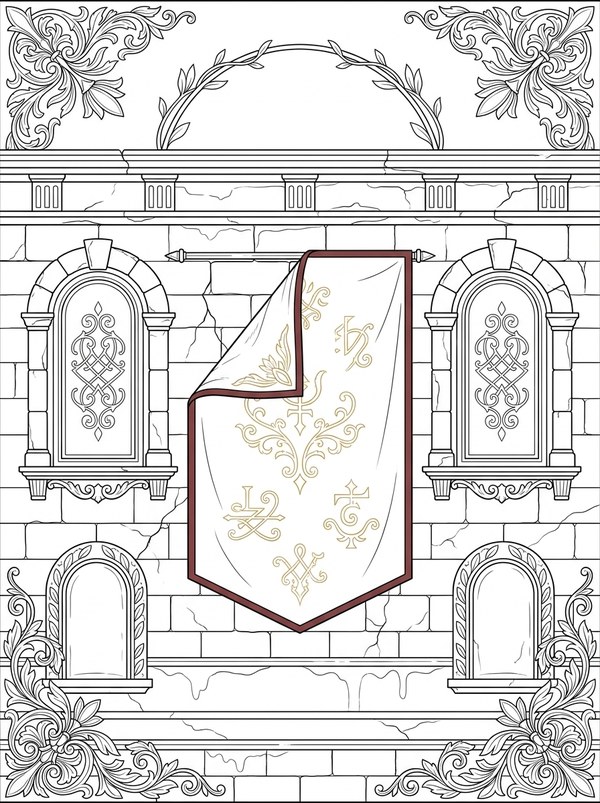
The unveiled banner the community has come to expect, the unveiling a price you have stopped feeling pay.
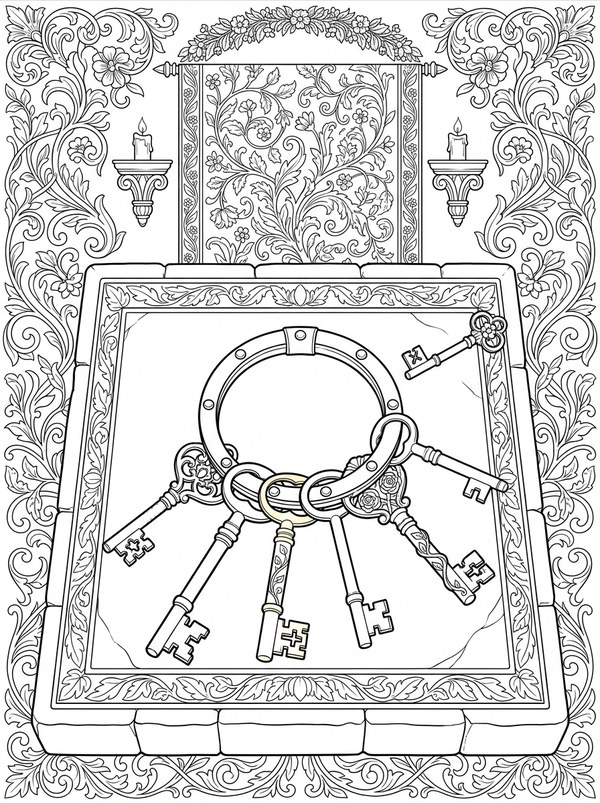
The iron key-ring with seven varied keys laid flat on the stone, every door now requiring its own keeper.
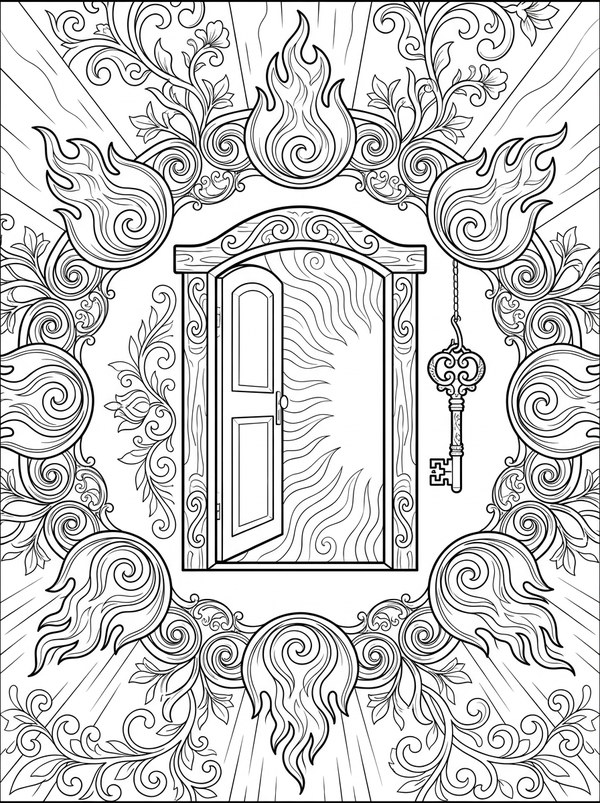
The light carried now, not worn — set down on a quiet threshold.
How it works — a 4-step practice
- Read — a short scene plus the pattern named, in 100–150 contemplative words
- Color — the illustrated story-mandala (a symbolic scene, not a geometric grid), drawn in a dark-academia hand
- Notice — a few recognition cues and one body signal: where this lives in you right now
- Set Down — one small ritual and a single line of permission, yours to keep
Perfect for
- The recovering people-pleaser and the over-giver who finally has a name for the pattern
- Readers of Brené Brown, boundaries books, and shadow-work shelves who want something to do, not just read
- Eldest daughters, the reliable ones, the endlessly available — quietly worn thin by being good
- Anyone who finds “people-pleaser” too shallow and wants the deeper, kinder frame
- A rare, knowing gift for the friend who gives too much
Thick paper, single-sided pages designed for markers, gel pens, and colored pencils without bleed-through. Matte cover, literary dark-academia aesthetic. No religious symbolism.